What Makes Some Veneers Look More Natural Than Others
June 3, 2026
Why Seeing the Same Dentist Has Long-Term Benefits
July 1, 2026The words “root canal” have a way of making people nervous. For years, stories about painful procedures and difficult recoveries have shaped how people view this treatment. The reality is often very different. Modern root canal therapy is designed to relieve pain, not create it. If you have been told you may need a root canal, it helps to separate fact from fiction. A dentist near Fort Mill, SC, can explain what the procedure involves and why it is often recommended to preserve a natural tooth.
What Modern Root Canal Treatment Is Really Like
Myth #1: Root Canals Are Painful
This is one of the most common myths surrounding root canal therapy. In reality, modern techniques and local anesthesia are designed to keep patients comfortable throughout the procedure.
In most cases, the discomfort people associate with root canals stems from infection or inflammation in the tooth before treatment begins. The purpose of the procedure is to remove the source of that pain and help restore comfort.
Myth #2: Tooth Extraction Is Always a Better Option
Some patients assume removing the tooth is simpler than having a root canal. While extraction may be appropriate in certain situations, preserving a natural tooth is often the preferred option whenever possible.
Root canal therapy removes damaged or infected tissue from inside the tooth while preserving the remaining structure. This helps maintain normal chewing function and supports the alignment of surrounding teeth.
Myth #3: Recovery Is Long and Difficult
Most patients are surprised by how manageable recovery can be. Mild tenderness may occur for a few days after treatment, especially when chewing, though this often improves quickly.
Many people return to work, school, or daily activities shortly after their appointment. Your dentist may recommend avoiding very hard foods while the tooth continues to heal and until any final restoration is completed.
Myth #4: Root Canals Remove the Entire Tooth
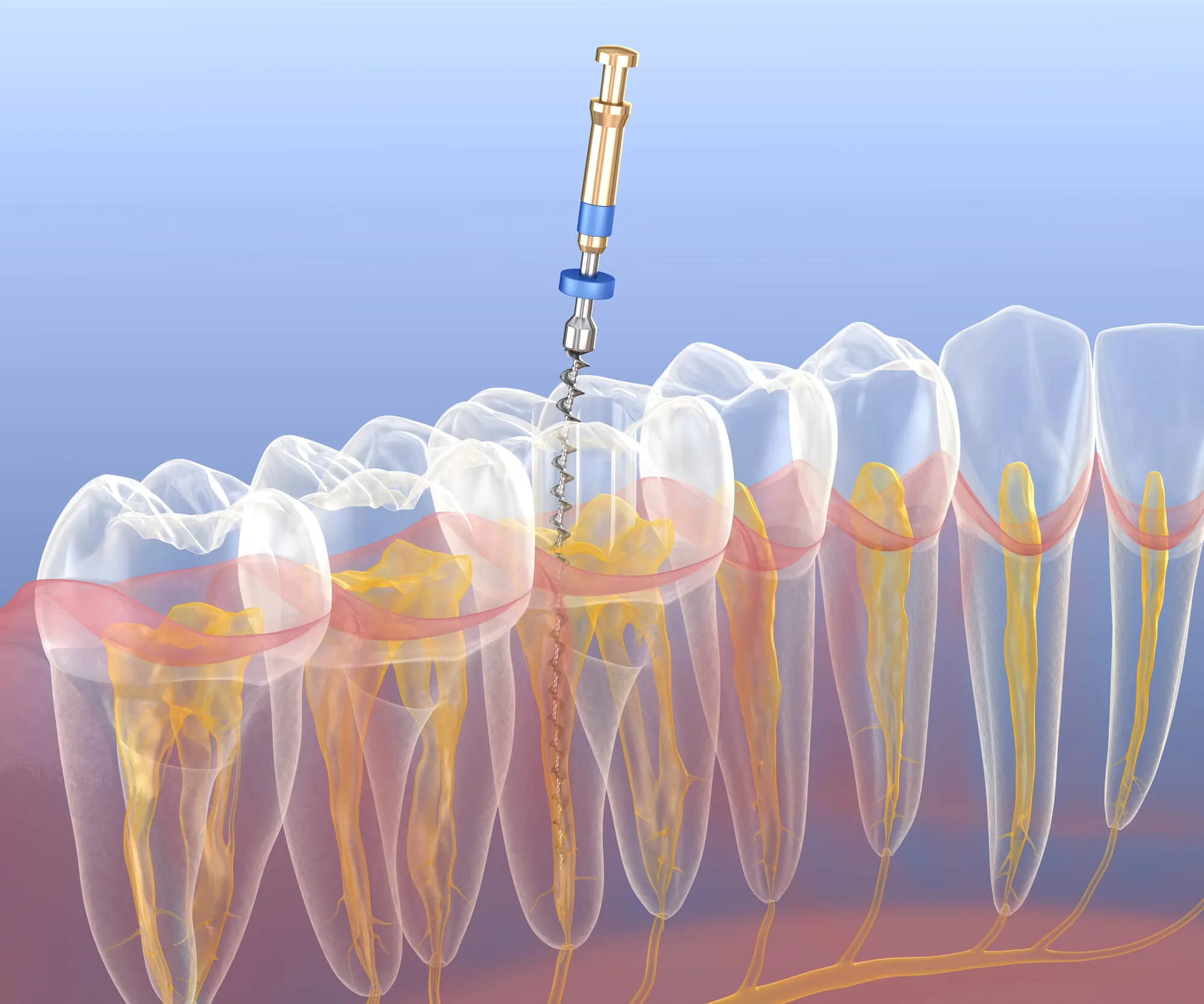
A root canal does not involve removing the tooth itself. Instead, the procedure focuses on the pulp inside the tooth, which contains nerves and blood vessels.
During treatment, the infected or damaged tissue is removed, the canals are cleaned, and the space is sealed. In many cases, a crown is then placed to help restore strength and function.
Myth #5: You Would Know Immediately If You Needed a Root Canal
Symptoms can vary from person to person. Some patients experience severe pain, while others notice more subtle signs.
Lingering sensitivity to hot or cold, pain when biting, swelling around the gums, or discoloration of a tooth may all indicate a problem within the pulp. A dental evaluation helps determine whether root canal therapy is appropriate.
Why Dentists Recommend Root Canal Therapy
Root canal treatment is recommended when the pulp inside a tooth becomes inflamed, infected, or damaged. Deep decay, fractures, trauma, or repeated dental procedures can all affect the pulp.
Without treatment, the infection may continue to progress and affect surrounding tissues. Root canal therapy addresses the source of the problem while preserving the natural tooth whenever possible.

Looking for a Dentist Near Fort Mill, SC to Discuss Root Canal Treatment?
Root canal therapy is often very different from what people expect. Modern treatment focuses on relieving discomfort, preserving natural teeth, and helping patients return to normal function as quickly as possible.
At Cedar Walk Family and Cosmetic Dentistry, care is centered on comfort, clear communication, and long-term oral health. The team takes time to answer questions, explain treatment options, and provide supportive care in a welcoming environment. If you have been experiencing symptoms or have concerns about a root canal recommendation, scheduling a visit can help you get the information and care you need.
Practice Recognitions

Recent Posts
- How Long Does a Root Canal Last? Factors That Affect Longevity
- Invisalign Before Veneers or Whitening: Planning Your Smile Makeover in the Right Order
- Dental Cleaning vs. Deep Cleaning: What’s the Difference?
- Can You Whiten Sensitive Teeth? What You Should Know
- What Happens to Your Natural Teeth Under Veneers?
- Why Preventive Care Is the Foundation of Family Dentistry
- How to Decide Which Cosmetic Dental Treatment Is Right for You
- Why Seeing the Same Dentist Has Long-Term Benefits
- Root Canal Myths: Does It Hurt? What Modern Treatment Is Really Like
- What Makes Some Veneers Look More Natural Than Others