

When Invisalign May Not Be the Right Option
February 23, 2026
When Is a Dental Crown Recommended for a Tooth
March 23, 2026Infections inside a tooth do not happen overnight. They develop when bacteria breach the outer layers and reach the inner tissues, where nerves and blood vessels are located. This process often begins quietly, without obvious symptoms.
Over time, pressure builds within the tooth, leading to discomfort or sensitivity. As the infection progresses, treatment may be needed to preserve the tooth, and in some cases, a root canal in Charlotte becomes part of that care plan.
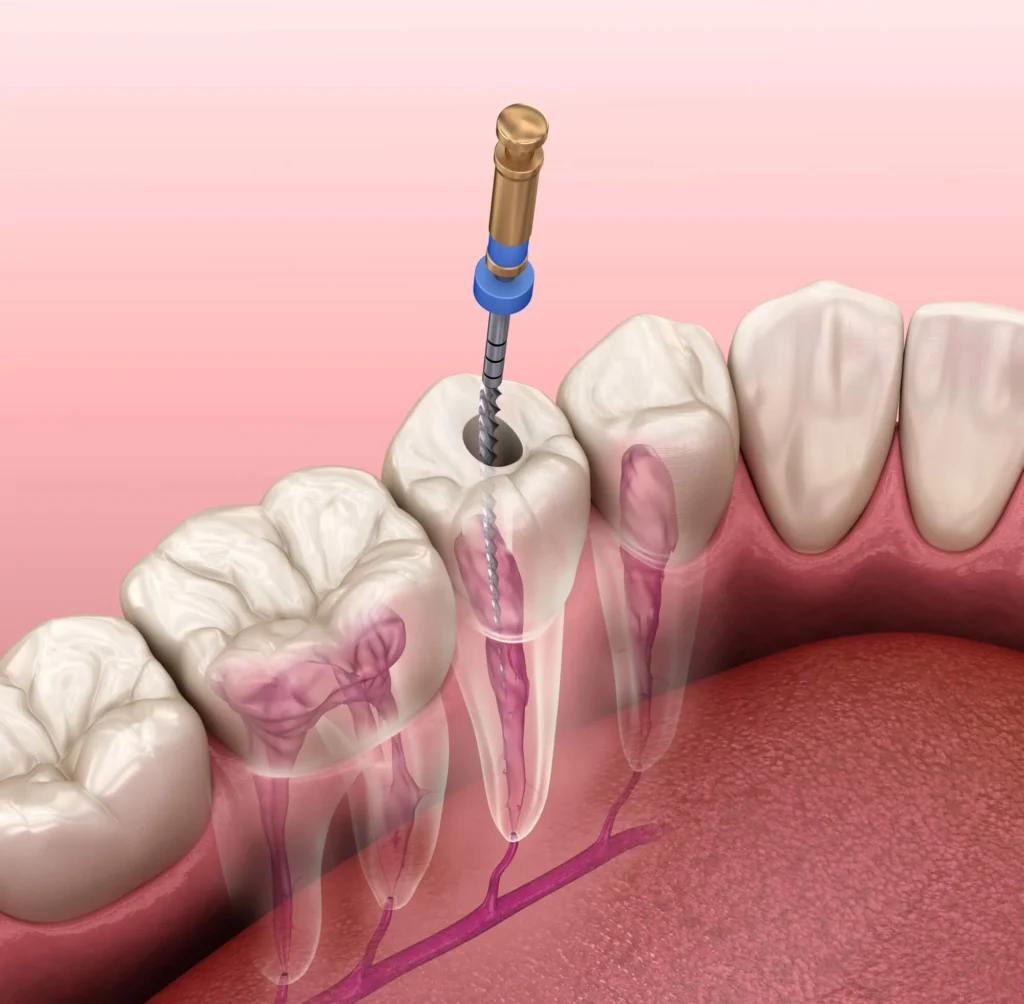
How Infection Develops and What Causes It
How Bacteria Reach the Inner Tooth
The enamel acts as a protective barrier, though it is not indestructible. Daily wear, acids, and bacteria can weaken this layer. Once bacteria move past enamel into dentin, they gain easier access to the inner structure. From there, infection can reach the pulp, where it becomes more difficult for the body to manage on its own.
Deep Decay That Extends Beyond the Surface
Tooth decay is one of the most common pathways. It starts small, often without pain, and gradually moves inward. As decay deepens, bacteria approach the pulp and begin to irritate the tissue. This may lead to lingering sensitivity or a dull ache that becomes more noticeable over time.
Cracks and Fractures That Allow Entry
A tooth does not need visible decay to develop an infection. Small cracks can create openings that allow bacteria to enter. These may result from biting hard foods, grinding, or injury. Even minor fractures can expose deeper layers and lead to infection if not addressed.
Previous Dental Work and Changes Over Time
Restorations such as fillings or crowns help protect teeth, though they may need to be replaced over time. If a seal weakens or shifts, bacteria can re-enter the tooth. Repeated procedures on the same tooth may also increase pulp sensitivity.
Trauma That Affects the Tooth Internally
An impact on the tooth can disrupt its blood supply. The pulp may begin to break down, creating conditions that allow bacteria to grow. In some cases, symptoms appear long after the initial injury.
How Dentists Address Infection Inside a Tooth
When infection reaches the pulp, the focus shifts to removing bacteria and protecting the remaining tooth structure. Dentists begin with a thorough evaluation, using imaging and clinical exams to identify the source and extent of the problem.
If the infection is contained within the tooth, root canal therapy is often recommended. This treatment involves removing the infected pulp, carefully cleaning the inner canals, and sealing the space to prevent bacteria from returning. A crown may be placed afterward to restore strength and function.
Modern techniques allow this process to be completed with comfort in mind. Most patients can return to their usual routines shortly after treatment, with only mild soreness that can be easily managed.

Root Canal in Charlotte: Care Focused on Comfort and Preservation
Infections inside a tooth can progress without clear warning, though early care can help preserve your natural smile. Recognizing changes in sensitivity, pressure, or discomfort can affect how the issue is managed.
At Cedar Walk Family and Cosmetic Dentistry, care is centered on clear communication, patient comfort, and long-term oral health. Our team takes time to explain what is happening inside your tooth and guides you through each step of care with a supportive approach.
If you have noticed changes in how a tooth feels, scheduling a consultation can help you receive thoughtful care designed to restore comfort and maintain your natural teeth.
Practice Recognitions

Recent Posts
- Invisalign Before Veneers or Whitening: Planning Your Smile Makeover in the Right Order
- Dental Cleaning vs. Deep Cleaning: What’s the Difference?
- Can You Whiten Sensitive Teeth? What You Should Know
- What Happens to Your Natural Teeth Under Veneers?
- Why Preventive Care Is the Foundation of Family Dentistry
- How to Decide Which Cosmetic Dental Treatment Is Right for You
- Why Seeing the Same Dentist Has Long-Term Benefits
- Root Canal Myths: Does It Hurt? What Modern Treatment Is Really Like
- What Makes Some Veneers Look More Natural Than Others
- How Healing Progresses After a Tooth Extraction


