


You made it through the appointment, the soreness faded, and your tooth feels normal again. Now a new question pops up: will this fix hold, or will you be back in the chair in a few years? A tooth saved with endodontic treatment can stay strong for decades with the right care.
For anyone who recently had a root canal in Charlotte or has one coming up, a few everyday factors decide how long that tooth stays healthy and comfortable.
What Affects How Long a Root Canal Lasts
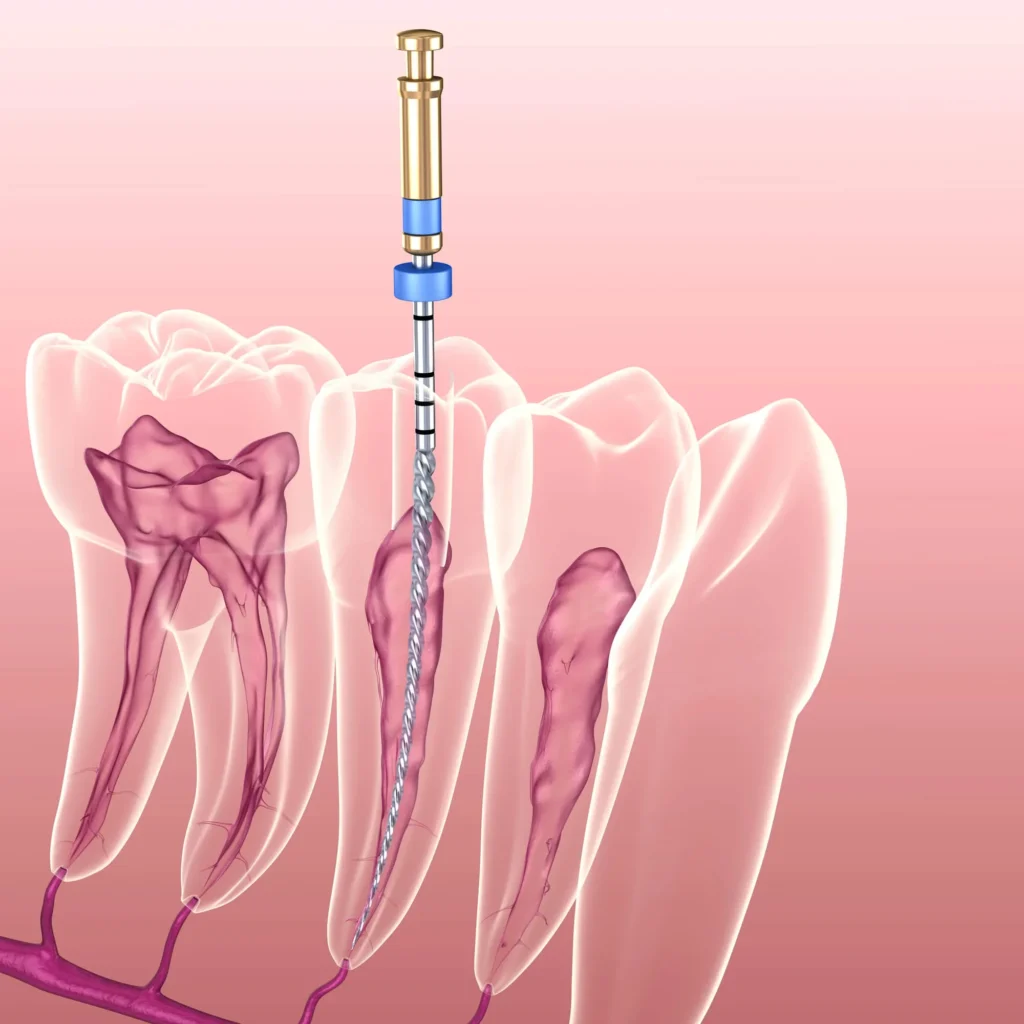
A root canal removes infected or inflamed pulp, cleans the canals, and seals the tooth. With proper care, most treated teeth can last a lifetime. Several factors shape how long yours stays that way.
A Crown Protects the Tooth
In many cases, a crown is placed on a tooth to restore its strength and function. Back teeth take the most chewing force, and a treated tooth without full coverage is more likely to crack. Getting the final restoration placed soon after treatment helps protect the tooth from fractures and new bacterial infections.
Same-day zirconia crowns made with CEREC® technology can restore the tooth in a single visit, with no temporary crown needed.
Tooth Location and Anatomy
Molars often have more canals than front teeth, and some roots curve or branch in complex ways. That anatomy can make it harder to clear every trace of infection. Front teeth usually have simpler root systems and handle less pressure when you chew.
Teeth Grinding and Clenching
Nighttime teeth grinding wears down enamel and can lead to fractured teeth. Waking up with jaw soreness or headaches can be a clue. Mention these symptoms at your next checkup so your dentist can check for signs of wear.
Daily Care and Regular Checkups
A treated tooth can still get new decay around its edges. Simple habits go a long way toward caring for a restored tooth:
- Brush twice a day for two minutes with fluoride toothpaste
- Clean between your teeth once a day
- Avoid chewing ice, hard candy, or pens
- Keep up with professional cleanings and exams
Signs a Treated Tooth Needs Attention
Keep an eye out for these changes:
- Pain that lingers or returns
- Swelling or tender gums near the tooth
- A small bump on the gum
- Sensitivity to temperature or pressure that doesn’t improve
New decay, a crack, or a hidden canal can let bacteria back in. Endodontic retreatment removes the old filling material, cleans and disinfects the canals, and reseals the tooth.
Frequently Asked Questions
Can a Root Canal Last Forever?
Many treated teeth stay healthy for decades, though results vary from person to person. Crowns, hygiene habits, and regular exams all affect the outcome.
Does Every Root Canal Need a Crown?
Not always. Back teeth usually need a crown, while some front teeth can be restored with a filling. Your dentist will recommend the right option based on how much tooth structure remains.
Is It Normal to Feel Sore After a Root Canal?
Mild soreness or slight gum inflammation for a few days is common. Over-the-counter pain relievers usually help. Call your dentist if the pain gets worse instead of better.
A root canal gives you the chance to keep your natural tooth. Protecting it with a strong restoration and consistent daily care helps keep that tooth working for you.

Keep Your Smile Strong After a Root Canal in Charlotte
At Cedar Walk Family & Cosmetic Dentistry, we built our practice on quality service and a commitment to clearly explaining every treatment option. Our in-house endodontist, Dr. Anna Kirakozova, DDS, MS, provides root canal therapy and retreatment, and same-day crowns can restore teeth in one visit.
Contact our office to schedule a consultation or checkup and protect your restored tooth.