
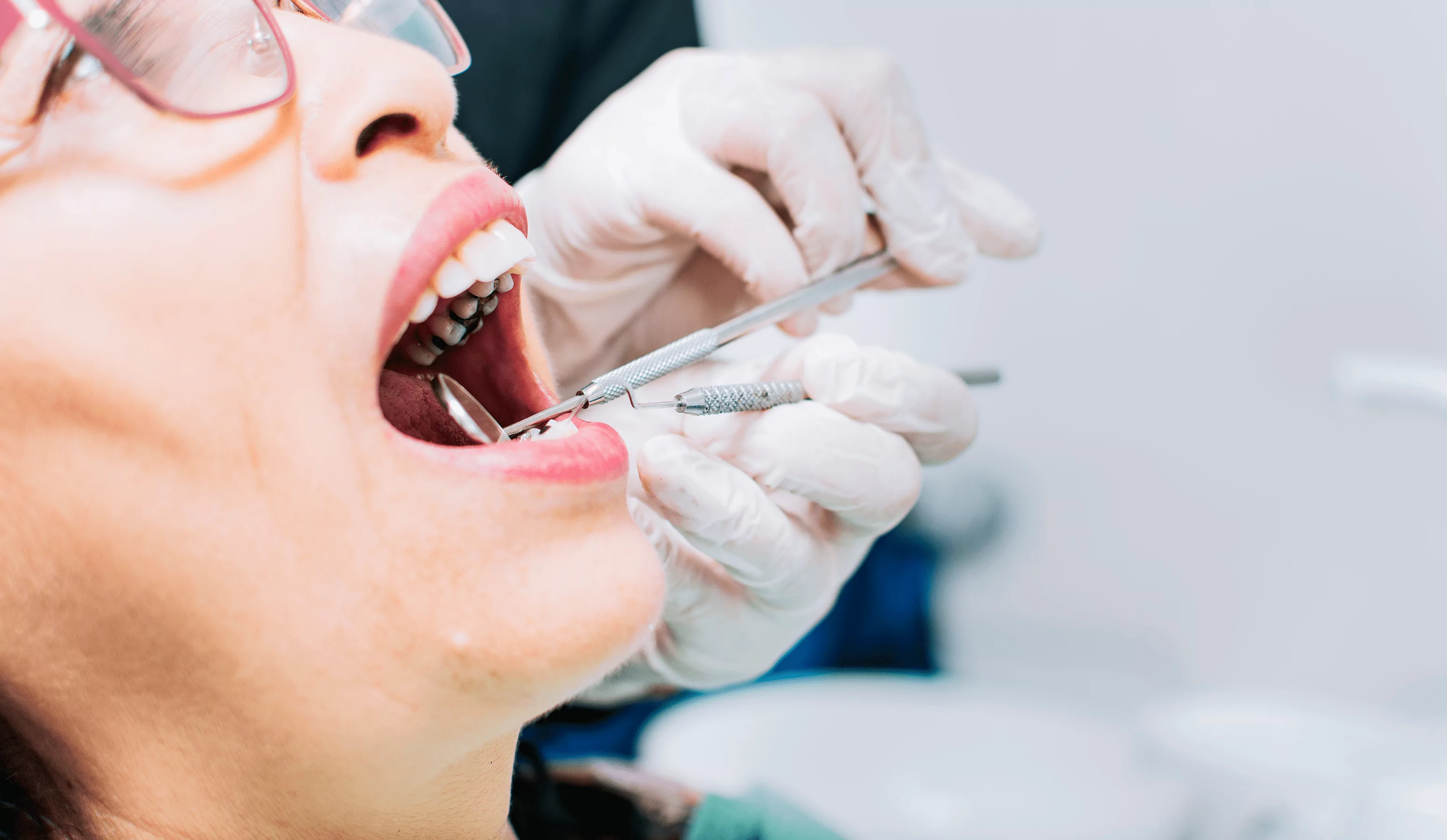
Understanding Endodontic Surgery
What Is Endodontic Surgery?
Endodontic surgery, or apicoectomy, is used to treat infections in the tooth root when a root canal isn’t enough. The procedure removes infected tissue at the root tip and seals the area to prevent further infection. It’s typically recommended for patients with ongoing pain or infection after a root canal, helping to save the tooth and avoid extraction.
When Is Endodontic Surgery Necessary?
Endodontic surgery may be required if a root canal doesn't fully resolve the infection or damage, such as when the infection continues due to missed canals, blockages, or fractures. It’s also recommended if the surrounding bone is affected or the tooth hasn't healed properly. In some cases, surgery is the best option to save the tooth from extraction when other treatments fail. An endodontist will evaluate the tooth and recommend surgery if needed.
The Importance of Treating Dental Infections Promptly
Addressing dental infections quickly is crucial for your oral health and overall well-being. If untreated, infections can cause pain, tooth loss, or spread to other parts of the body. Early treatment can save your tooth and prevent more complicated procedures. Seeing a dentist promptly leads to less discomfort and faster recovery. Regular check-ups help maintain your dental health and avoid bigger issues.
Understanding the Endodontic Retreatment Procedure
The procedure begins with a thorough examination by your endodontist, who will assess the tooth’s condition to determine the best approach. This often includes advanced X-rays or 3D imaging to get a detailed view of the root canals, helping the endodontist spot any hidden issues.
Once the condition is assessed, the first step in the procedure is to remove the old filling material. Your endodontist will carefully access the tooth and take out the previous filling, making room to clean the root canals thoroughly.
Next, the root canals are cleaned and disinfected. This step is essential to eliminate any remaining infection and bacteria, which can prevent proper healing. Your endodontist will ensure the area is completely clean before moving on to the next step.
After cleaning, the tooth is resealed. The root canals are filled with a new, biocompatible material that helps prevent future infection and ensures the tooth is sealed off properly. This step is crucial for ensuring the tooth can function normally without the risk of reinfection.
Depending on the condition of the tooth, you may need a new crown or another type of restoration to protect the tooth and restore its appearance. With endodontic retreatment, you can maintain your natural tooth, avoid extraction, and return to a healthy, functional smile.
With the right care, your tooth can be preserved for the long term, allowing you to enjoy a healthy, pain-free smile once again.
The Key Benefits of Endodontic Retreatment
The pain relief that endodontic retreatment offers is among its most important benefits. This operation can remove the infection and provide immediate, long-lasting relief if you've been dealing with persistent pain from a reinfected root canal. By addressing the underlying source of your pain, you can resume living a pain-free life!
Another major benefit is the preservation of your natural tooth. Rather than resorting to extraction, endodontic retreatment helps save your tooth, allowing you to keep your natural smile. This option is not only more cost-effective than replacing a tooth but also helps maintain the integrity of your overall oral health.
In addition to pain relief and tooth preservation, endodontic retreatment also contributes to improved oral health. By addressing the reinfected root canal, the procedure prevents the spread of infection to other areas of your mouth, helping to avoid more severe dental issues down the line.
Finally, endodontic retreatment provides long-lasting results. With proper care and regular checkups, the health and function of the treated tooth can be restored, ensuring that your tooth serves you well for many years to come.
Contact Cedar Walk Dentistry for Endodontic Retreatment in Charlotte NC
If you're dealing with a reinfected root canal or are experiencing pain after a root canal, don’t wait to seek treatment. At Cedar Walk Dentistry, we offer expert endodontic retreatment in Charlotte NC to address your concerns and restore your tooth’s health. Our experienced team will provide you with a personalized treatment plan and help you get the relief you deserve.
To arrange a consultation and discover more about how endodontic retreatment may save your tooth and enhance your smile, get in touch with us today.
Frequently Asked Questions About Incision and Drainage
Incision and drainage (I&D) is usually not painful since the area is numbed with a local anesthetic. If you experience increased pain or signs of infection afterward, contact your healthcare provider.
Healing after an incision and drainage (I&D) procedure usually takes 1 to 2 weeks. Swelling and tenderness may occur initially, improving over time. If a drain was placed, it may stay in for a few days. Follow your doctor's care instructions to ensure proper healing.
You may need additional treatment after an I&D procedure, such as antibiotics if the infection was severe or a drain was used. Follow-up appointments ensure proper healing, and further treatment may be needed if the abscess reoccurs or doesn't heal.
Untreated dental abscesses can lead to severe pain, tooth loss, and damage to nearby tissues or bones. In some cases, the infection can spread to the bloodstream, causing sepsis, a life-threatening condition. Prompt treatment is essential to avoid these complications.
To prevent future dental infections, practice good oral hygiene by brushing twice a day, flossing, and using mouthwash. Visit your dentist regularly and avoid tobacco and sugary foods. Address any existing dental issues promptly, and see your dentist if you experience unusual pain or swelling.
Why Choose Cedar Walk Dentistry for Your Endodontic Surgery?
Experienced Dentists with Specialized Training in Endodontic Procedures
Choose Cedar Walk Dentistry for your endodontic surgery because our experienced dentists have specialized training in endodontic procedures. We are committed to providing expert care, ensuring a smooth and successful treatment.
State-of-the-Art Dental Technologies for Accurate Diagnoses and Treatment
The most up-to-date dental technology is used at Cedar Walk Dentistry to deliver precision endodontic surgical therapy and accurate diagnosis. These cutting-edge tools guarantee the greatest outcomes and a more seamless recuperation process.
Advanced Digital X-Rays, Intraoral Cameras, and Chairside Monitors for Patient Comfort
With us, your comfort and care come first. Digital X-rays provide clear, instant images with minimal radiation, while intraoral cameras give a close-up view of your teeth, helping you see what your dentist sees. Chairside monitors keep you informed throughout the process, making your treatment experience more transparent and reassuring.
Personalized and Compassionate Care for Every Patient
Every patient deserves care that feels personal and supportive. From the moment you walk in, the focus is on your comfort and well-being. Your concerns are heard, and your treatment plan is personalized, to you.
Conveniently Located in Matthews, NC, Serving the Local Community
In a friendly setting, Cedar Walk Dentistry in Matthews, North Carolina, provides skilled, patient-centered care. Because to its convenient location, the local community can easily receive both routine and specialist treatments with flexible scheduling. Feel free to reach to us today!