What Happens to Your Natural Teeth Under Veneers?
August 24, 2026
Dental Cleaning vs. Deep Cleaning: What’s the Difference?
September 16, 2026You want a brighter smile, but the thought of whitening your teeth makes you hesitate. If cold drinks or even a blast of cool air already makes your teeth twinge, will whitening make that sensitivity worse? Tooth sensitivity does not automatically mean you have to give up on whitening. Still, it does make professional guidance more important.
Before choosing teeth whitening in Charlotte, knowing why sensitivity occurs and how your dentist can address it can help you approach treatment more comfortably.
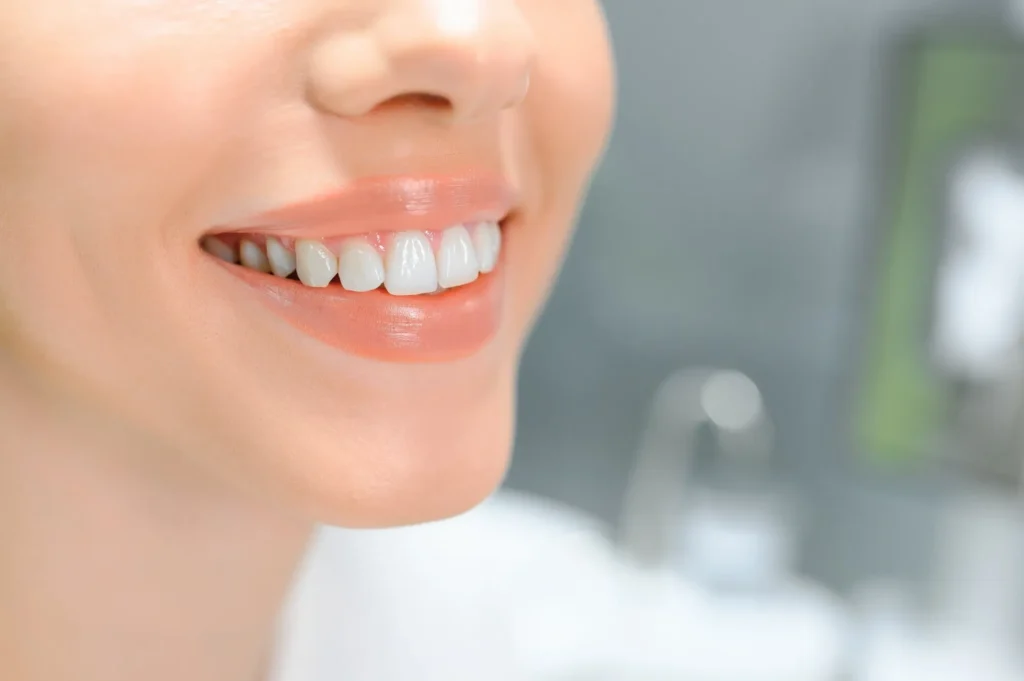
What Should You Know About Whitening Sensitive Teeth?
Why Can Teeth Whitening Cause Sensitivity?
Professional whitening products use bleaching agents that penetrate the enamel to break down stains. During this process, the inner part of the tooth can temporarily become more responsive to temperature changes.
Sensitivity after whitening is usually temporary and may range from mild tingling to brief discomfort when your teeth are exposed to hot or cold temperatures. Your existing level of sensitivity and the condition of your teeth can affect how you respond to treatment.
Why Are Some Teeth Sensitive Before Whitening?
Sensitivity can have several causes, which is why an evaluation before whitening matters. Worn enamel, exposed tooth roots, cavities, cracks, or gum recession may make teeth more responsive to temperature and pressure.
Your dentist can examine your teeth and gums to determine what may be causing the sensitivity. If another dental concern is responsible, addressing it before cosmetic treatment may be recommended.
How Can Whitening Be More Comfortable for Sensitive Teeth?
Having sensitive teeth does not necessarily mean whitening is off the table. Your dentist can consider your oral health and sensitivity when recommending an appropriate approach.
Depending on your needs, recommendations may include:
- Using products designed to help reduce sensitivity
- Adjusting the strength or duration of whitening
- Spacing whitening sessions farther apart
- Using toothpaste formulated for sensitive teeth before or after treatment
- Avoiding very hot or cold foods and drinks shortly after whitening
A personalized approach can help balance your cosmetic goals with your comfort.
Why Professional Guidance Matters
It may be tempting to experiment with different store-bought whitening products until you find one that works. For someone with sensitive teeth, that approach may make it harder to control discomfort.
A dental evaluation can determine whether your teeth and gums are healthy enough for whitening and whether existing restorations could affect your results. Professional supervision also allows the whitening approach to be adjusted based on how your teeth respond.
Frequently Asked Questions
Will tooth sensitivity after whitening go away?
Whitening-related sensitivity is generally temporary and often improves after treatment. Tell your dentist if sensitivity is severe, persists, or becomes worse so the cause can be evaluated.
Can I use sensitive toothpaste before whitening?
A toothpaste formulated for sensitive teeth may help reduce sensitivity for some patients. Your dentist can advise you on when to begin using it and whether it is appropriate for your needs.
Should I whiten my teeth if I have cavities?
Cavities should be evaluated before whitening. Whitening products can irritate damaged areas of the tooth and may increase discomfort. Your dentist can recommend the appropriate order for your dental care.
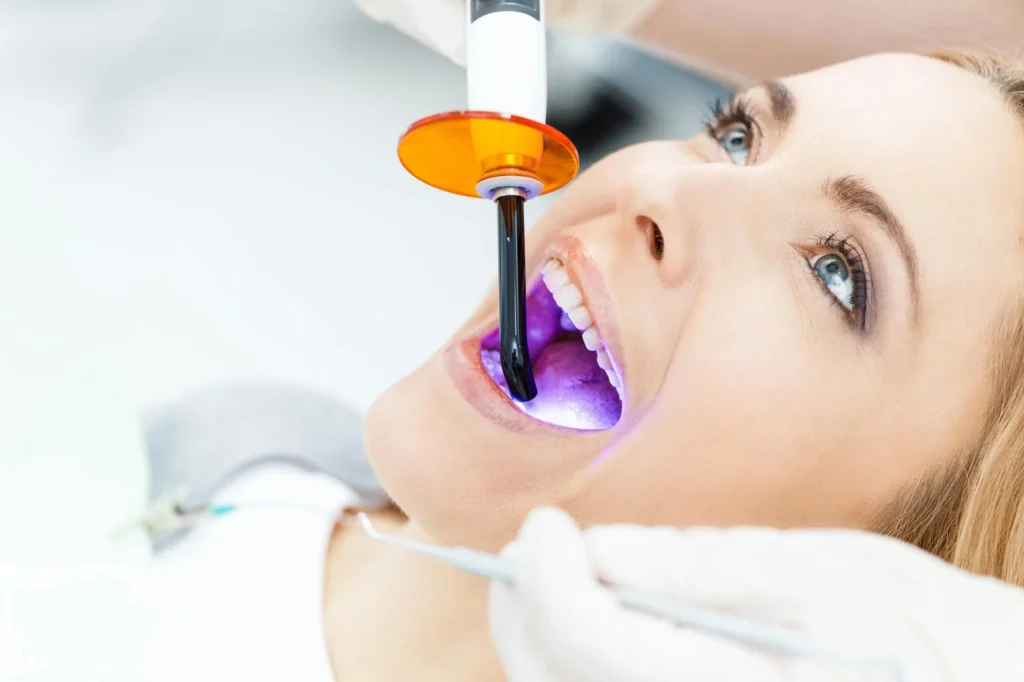
Considering Teeth Whitening in Charlotte for Sensitive Teeth?
Sensitive teeth do not always have to stand between you and a brighter smile. Finding the cause of your sensitivity first allows your dentist to recommend an approach based on your oral health, comfort, and cosmetic goals.
At Cedar Walk Family and Cosmetic Dentistry, we take the time to listen to your concerns and explain your options before recommending treatment. Our focus on personalized care, patient comfort, and healthy smiles helps us plan cosmetic care around your individual needs.
If sensitivity has made you hesitant about whitening, schedule a consultation today to find out whether professional teeth whitening is right for your smile.
Practice Recognitions

Recent Posts
- Dental Cleaning vs. Deep Cleaning: What’s the Difference?
- Can You Whiten Sensitive Teeth? What You Should Know
- What Happens to Your Natural Teeth Under Veneers?
- Why Preventive Care Is the Foundation of Family Dentistry
- How to Decide Which Cosmetic Dental Treatment Is Right for You
- Why Seeing the Same Dentist Has Long-Term Benefits
- Root Canal Myths: Does It Hurt? What Modern Treatment Is Really Like
- What Makes Some Veneers Look More Natural Than Others
- How Healing Progresses After a Tooth Extraction
- How Long Does Invisalign Take? Timeline + What Impacts Results