Why Preventive Care Is the Foundation of Family Dentistry
August 5, 2026
Can You Whiten Sensitive Teeth? What You Should Know
September 2, 2026You love the idea of a brighter, more balanced smile, but one question may keep you from moving forward: What happens to your natural teeth after veneers are placed? It’s a common question because veneers cover the front surface of your teeth, leading some people to wonder whether the teeth underneath stay healthy. The good news is that, with proper planning and care, your natural teeth continue to support your smile. Learning how veneers in Charlotte work can help you feel more confident about the treatment process.
How Veneers Work with Your Natural Teeth
Your Natural Teeth Stay in Place
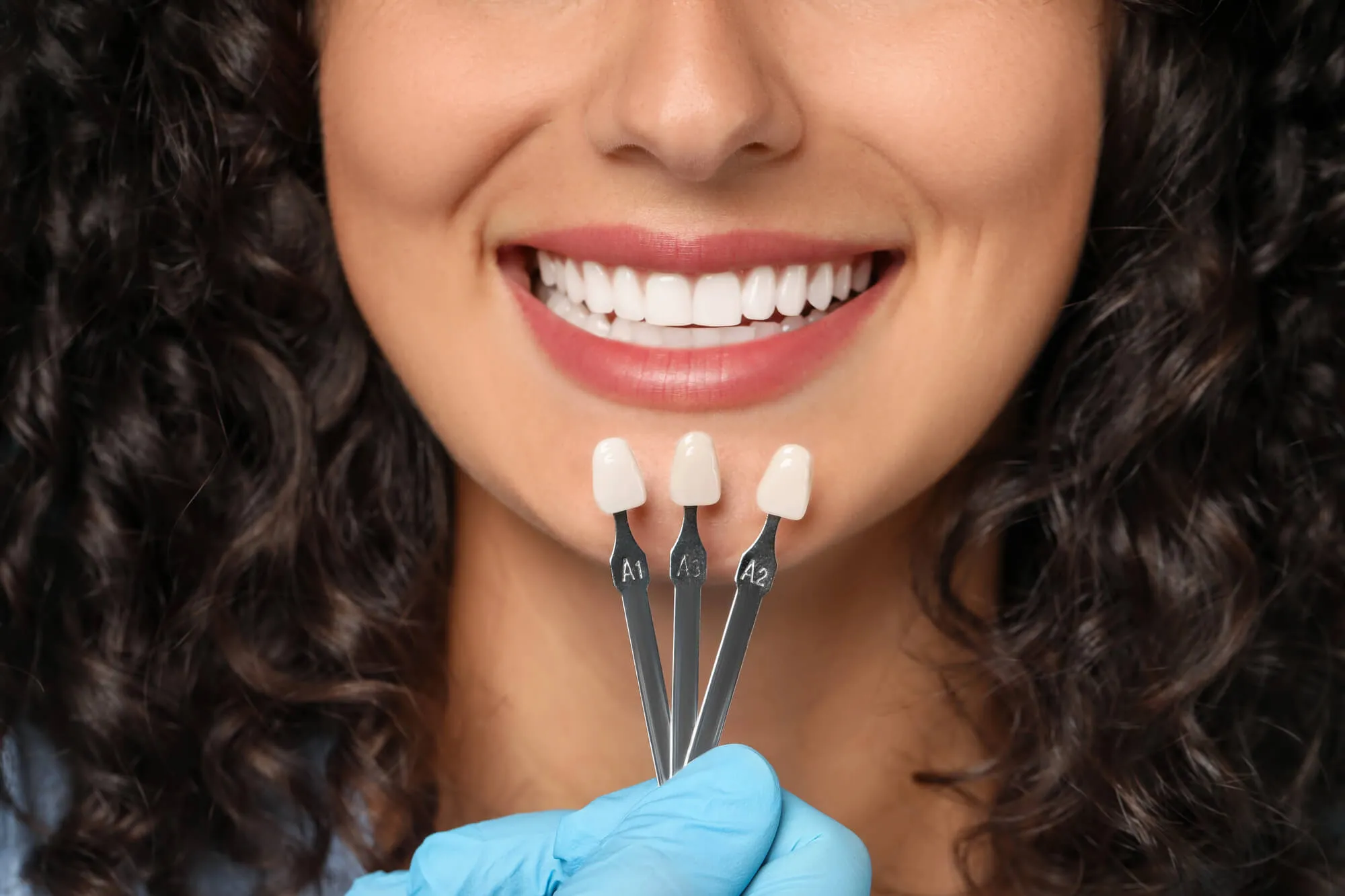
Dental veneers are thin, custom-made shells that are bonded to the front surface of your natural teeth. They improve the appearance of concerns such as discoloration, small chips, uneven shapes, minor gaps, and worn enamel while allowing the underlying tooth to remain intact.
Rather than replacing a tooth, veneers become a protective outer layer that works with your natural tooth structure to create a more attractive smile.
A Small Amount of Enamel Is Usually Removed
Before veneers are placed, your dentist typically removes a very thin layer of enamel from the front of each tooth receiving treatment. This creates space for the veneer so it fits naturally and does not appear bulky.
This preparation is generally permanent because enamel does not regenerate. Your dentist carefully removes only the amount needed to create a comfortable fit while preserving as much healthy tooth structure as possible.
The Teeth Beneath Veneers Still Need Care
Veneers cannot develop cavities, but the natural teeth underneath and around them still can. That’s why brushing, flossing, and routine dental visits remain an important part of maintaining your oral health.
The edges where veneers meet your natural teeth should also be kept clean to reduce plaque buildup and support healthy gums.
How Your Dentist Helps Protect Your Natural Teeth
Getting veneers involves careful planning, not just improving the appearance of your smile. Your dentist evaluates several factors before treatment, including:
- The health of your teeth and gums
- Tooth alignment and your bite
- Existing fillings or dental work
- Signs of grinding or clenching
- Whether veneers are the most appropriate treatment for your goals
This evaluation allows your dentist to recommend treatment that supports both your smile and your long-term oral health.
Frequently Asked Questions
Do veneers damage your natural teeth?
Veneers do not damage healthy teeth when they are properly planned and placed. A small amount of enamel is usually removed to create room for the veneer, but the remaining tooth continues to function normally.
Can veneers be removed later?
Because a small amount of enamel is usually removed before placing veneers, the treatment is generally considered permanent. Veneers can be replaced if needed, but they are not typically removed without placing a new restoration.
How long do veneers last?
With proper care, porcelain veneers often last many years before they need replacement. Their lifespan depends on oral hygiene, daily habits, and routine dental care.
Considering Veneers Charlotte for Your Smile?
Veneers can improve the appearance of your smile while preserving the healthy tooth structure that supports it. With careful planning, healthy oral habits, and regular dental care, your veneers and the teeth supporting them can continue to look and function well for years.
At Cedar Walk Family and Cosmetic Dentistry, we believe every smile deserves personalized attention. Our team takes time to understand your goals, explain your treatment options, and recommend care that supports both the appearance and health of your smile. If you’re considering getting veneers, schedule a consultation today to learn whether veneers are the right option for you.
Practice Recognitions

Recent Posts
- How Long Does a Root Canal Last? Factors That Affect Longevity
- Invisalign Before Veneers or Whitening: Planning Your Smile Makeover in the Right Order
- Dental Cleaning vs. Deep Cleaning: What’s the Difference?
- Can You Whiten Sensitive Teeth? What You Should Know
- What Happens to Your Natural Teeth Under Veneers?
- Why Preventive Care Is the Foundation of Family Dentistry
- How to Decide Which Cosmetic Dental Treatment Is Right for You
- Why Seeing the Same Dentist Has Long-Term Benefits
- Root Canal Myths: Does It Hurt? What Modern Treatment Is Really Like
- What Makes Some Veneers Look More Natural Than Others