How Long Does Invisalign Take? Timeline + What Impacts Results
May 8, 2026
What Makes Some Veneers Look More Natural Than Others
June 3, 2026The days after a tooth extraction can feel uncertain, especially if you are trying to figure out what is normal and what is not. Some soreness and swelling are expected, though healing does not happen overnight. Patients often wonder when they can eat comfortably again, return to normal routines, or stop worrying about the extraction site. A dentist in South Charlotte can explain the healing timeline, what affects recovery, and which symptoms may need follow-up care after the procedure.
What Is the Typical Healing Timeline After a Tooth Extraction?
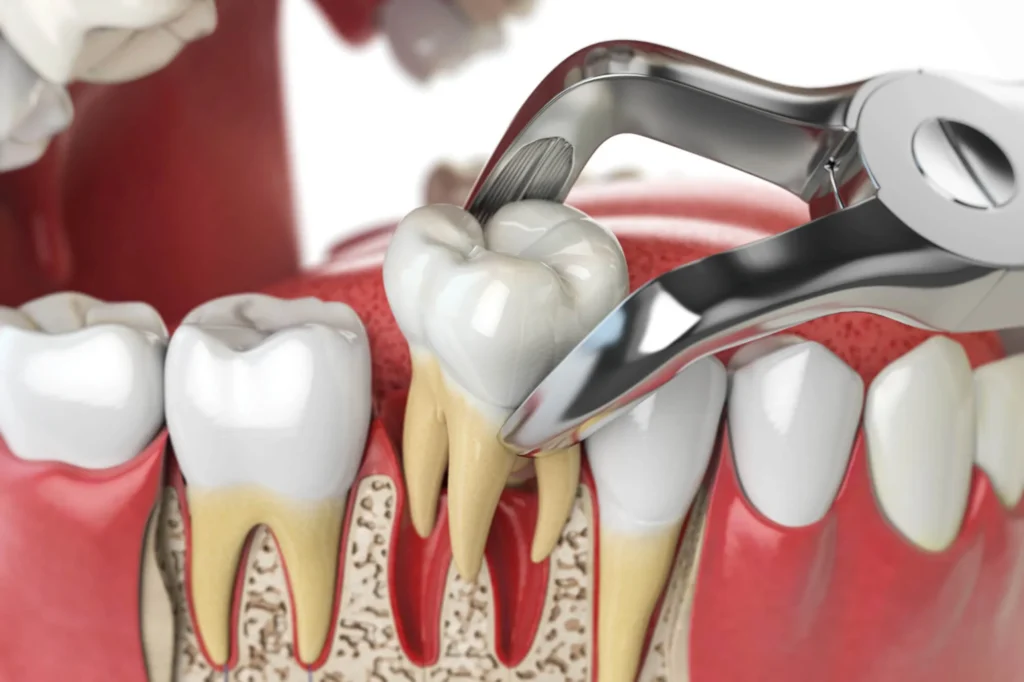
Healing after a tooth extraction happens in stages. While the gum tissue may begin closing within a couple of weeks, the deeper bone and surrounding tissues can take longer to fully heal.
The First 24 Hours
During the first day, a blood clot forms over the extraction site. This clot protects the area while healing begins underneath. Mild bleeding, tenderness, and swelling are common during this stage.
Patients are usually advised to:
- rest
- avoid drinking through straws
- avoid smoking
- eat soft foods
- follow aftercare instructions carefully
Keeping the clot stable is one of the most important parts of early recovery.
Days Two Through Seven
Swelling and discomfort often peak during the first few days before gradually improving. Patients may still notice soreness while chewing or talking.
Soft foods such as yogurt, mashed potatoes, soup, scrambled eggs, and smoothies are often easier to tolerate during this phase.
By the end of the first week, the gum tissue may already look healthier and less inflamed.
One to Two Weeks After Extraction
For simple tooth extractions, the gum tissue often closes substantially within one to two weeks. Some patients feel mostly back to normal during this stage.
More complex extractions, including impacted teeth or surgical removals, may require additional healing time.
Even after discomfort improves, the bone beneath the gums continues healing for several weeks or months.
What Can Affect Healing Time?
Recovery can vary from person to person. Several factors may influence how quickly the area heals.
Type of Extraction
Simple extractions generally heal faster than surgical extractions. Teeth that are broken, impacted, or difficult to remove may involve more tissue healing afterward.
Oral Hygiene Habits
Keeping the mouth clean helps reduce irritation around the extraction site. Patients should carefully follow instructions for brushing and rinsing during recovery.
Smoking and Dry Socket Risk
Smoking may slow healing and increase the risk of dry socket. Dry socket occurs when the protective blood clot dislodges too early, exposing the underlying bone.
This condition can cause:
- sharp pain
- bad taste in the mouth
- pain radiating toward the ear or jaw
A follow-up visit may be needed if these symptoms appear.
Overall Health
Certain medical conditions and medications can also affect the rate of healing. Patients should discuss their health history and medications before the procedure.
When Should You Call the Dentist?
Some soreness and swelling are expected after a tooth extraction. Still, certain symptoms should not be ignored.
Patients should contact the dental office if they experience:
- severe or worsening pain
- persistent bleeding
- fever
- swelling that increases after several days
- difficulty swallowing
- signs of infection
Prompt follow-up care can help prevent further complications.

Need a Dentist in South Charlotte for Tooth Extraction Care?
Healing after a tooth extraction takes patience, though most patients begin feeling better within the first couple of weeks. Following aftercare instructions and attending follow-up visits can help support a smoother recovery and reduce complications.
Cedar Walk Family and Cosmetic Dentistry provides compassionate care focused on comfort, communication, and long-term oral health. If you need an evaluation, have questions about recovery, or need a tooth extraction, schedule a consultation with a dentist in South Charlotte today.
Practice Recognitions

Recent Posts
- What Happens to Your Natural Teeth Under Veneers?
- Why Preventive Care Is the Foundation of Family Dentistry
- How to Decide Which Cosmetic Dental Treatment Is Right for You
- Why Seeing the Same Dentist Has Long-Term Benefits
- Root Canal Myths: Does It Hurt? What Modern Treatment Is Really Like
- What Makes Some Veneers Look More Natural Than Others
- How Healing Progresses After a Tooth Extraction
- How Long Does Invisalign Take? Timeline + What Impacts Results
- Signs a Dentist May Suggest a Root Canal
- Tooth Pain 101: When It’s Time to Call the Dentist