Tooth Pain 101: When It’s Time to Call the Dentist
April 1, 2026
How Long Does Invisalign Take? Timeline + What Impacts Results
May 8, 2026Tooth pain can be easy to ignore at first. It may come and go, feel mild, or seem tied to something simple like hot coffee or a cold drink. Over time, that same discomfort can change. It may last longer, feel sharper, or show up without warning. These changes often lead to one question: Does this need treatment? A dentist in 28277 can evaluate these symptoms and determine if a root canal is recommended to protect your tooth.
Signs That May Indicate the Need for a Root Canal
Lingering Sensitivity to Hot or Cold
It’s normal to feel a quick reaction to temperature. If that feeling lingers after the source is gone, it may point to irritation inside the tooth.
This type of sensitivity can suggest that the inner tissue is affected. When it becomes more noticeable or persistent, a dentist may recommend further evaluation to determine the cause.
Ongoing or Worsening Tooth Pain
A dull ache that does not go away or pain that becomes more intense over time can signal a deeper issue. This discomfort may feel constant or come and go throughout the day.
Pain that interferes with daily activities, such as eating or sleeping, often requires attention. In some cases, a root canal may be suggested to address the source of the problem.
Swelling or Tenderness in the Gums
Swelling near a specific tooth or along the gumline can indicate that something is happening below the surface. This may be linked to infection or inflammation.
Tenderness, redness, or a pimple-like area on the gums are signs that should be evaluated. These symptoms can develop alongside tooth pain or appear on their own.
Pain When Biting or Applying Pressure
If you feel discomfort when chewing or applying pressure, it may be related to damage within the tooth. This can include cracks, decay, or changes in the inner structure.
Pain during biting often means the tooth is not responding normally to force. A dentist can assess whether the issue is limited to the outer structure or involves deeper layers.
Darkening or Discoloration of a Tooth
A tooth that appears darker than the surrounding teeth may indicate internal changes. This can happen after injury or due to changes in the pulp.
Discoloration does not always cause pain, though it can indicate that the inner tissue is no longer healthy. In these cases, a root canal may be recommended to preserve the tooth.
How a Dentist Confirms the Need for a Root Canal
Symptoms alone do not always tell the full story. A dental evaluation helps determine what is happening inside the tooth.
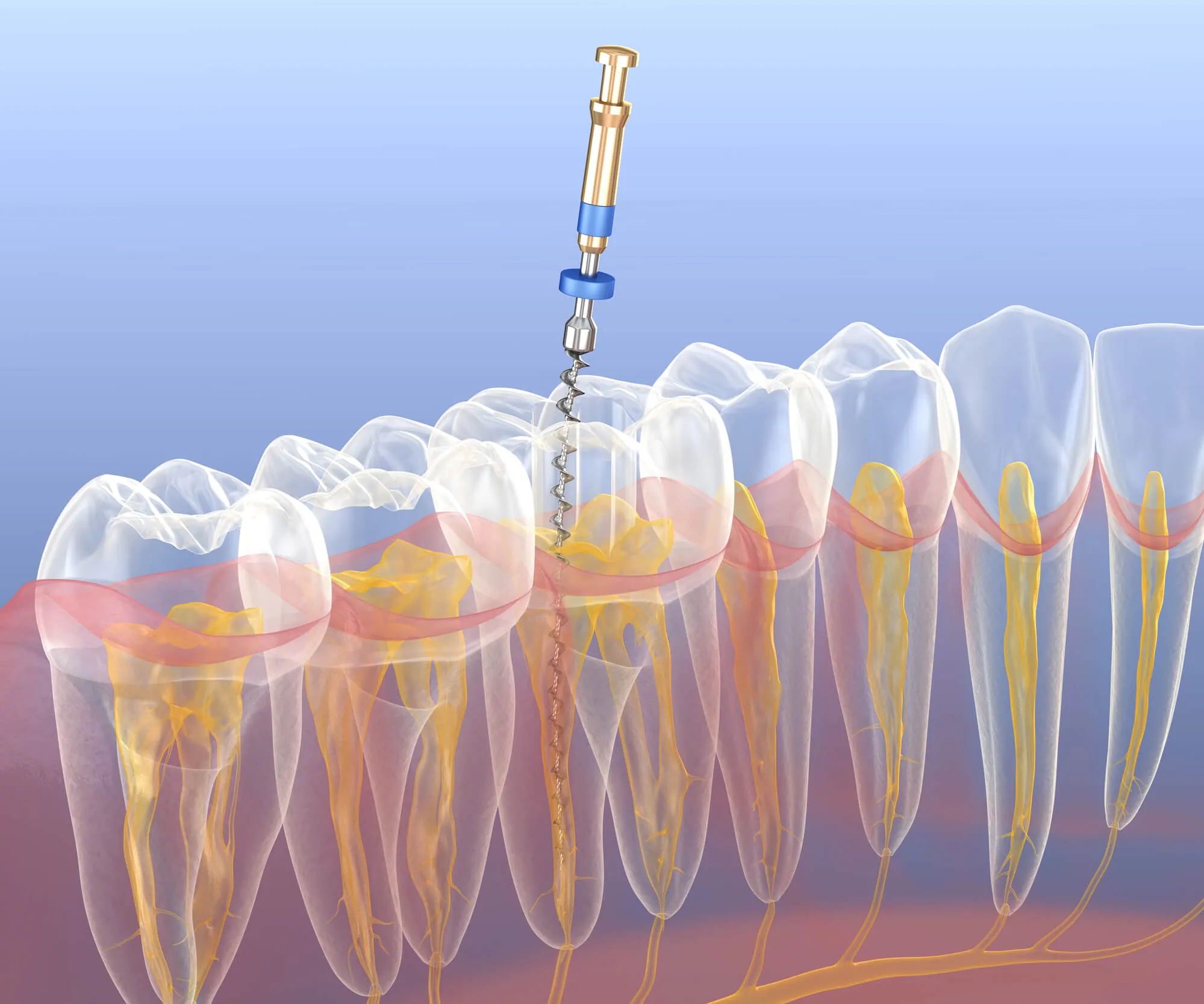
Your dentist may use imaging, clinical exams, and sensitivity tests to assess the condition of the pulp. This process helps determine whether the tooth can be treated with a filling or crown, or if root canal therapy is the more appropriate option.
Root canal treatment focuses on removing infected or damaged tissue, cleaning the inner canals, and sealing the tooth. A crown may be placed afterward to restore strength and function.

Is It Time to Visit a Dentist in 28277 for Your Tooth Pain?
Changes in how a tooth feels should not be ignored, even if the discomfort seems manageable at first. Early evaluation can help identify the cause and prevent further complications.
At Cedar Walk Family and Cosmetic Dentistry, care is centered on clear communication, patient comfort, and the preservation of natural teeth whenever possible. The team takes time to explain your symptoms and recommend treatment options that support your long-term oral health.
If you are noticing any of these signs, scheduling a visit with a dentist can help you get answers and the care you need.
Practice Recognitions

Recent Posts
- Dental Cleaning vs. Deep Cleaning: What’s the Difference?
- Can You Whiten Sensitive Teeth? What You Should Know
- What Happens to Your Natural Teeth Under Veneers?
- Why Preventive Care Is the Foundation of Family Dentistry
- How to Decide Which Cosmetic Dental Treatment Is Right for You
- Why Seeing the Same Dentist Has Long-Term Benefits
- Root Canal Myths: Does It Hurt? What Modern Treatment Is Really Like
- What Makes Some Veneers Look More Natural Than Others
- How Healing Progresses After a Tooth Extraction
- How Long Does Invisalign Take? Timeline + What Impacts Results