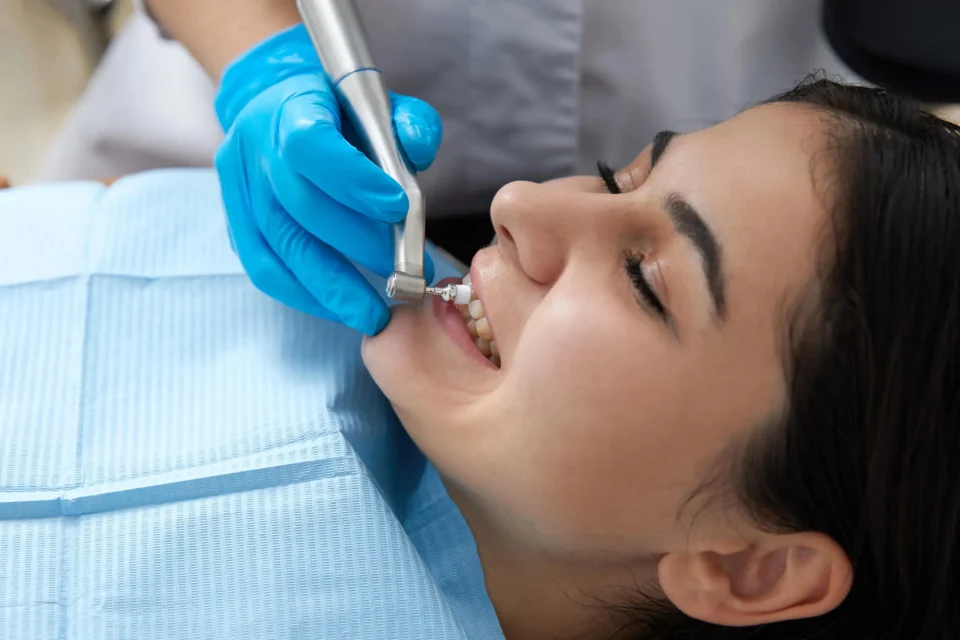
The Transformative Benefits of a High-Tech Dental Office
September 24, 2019
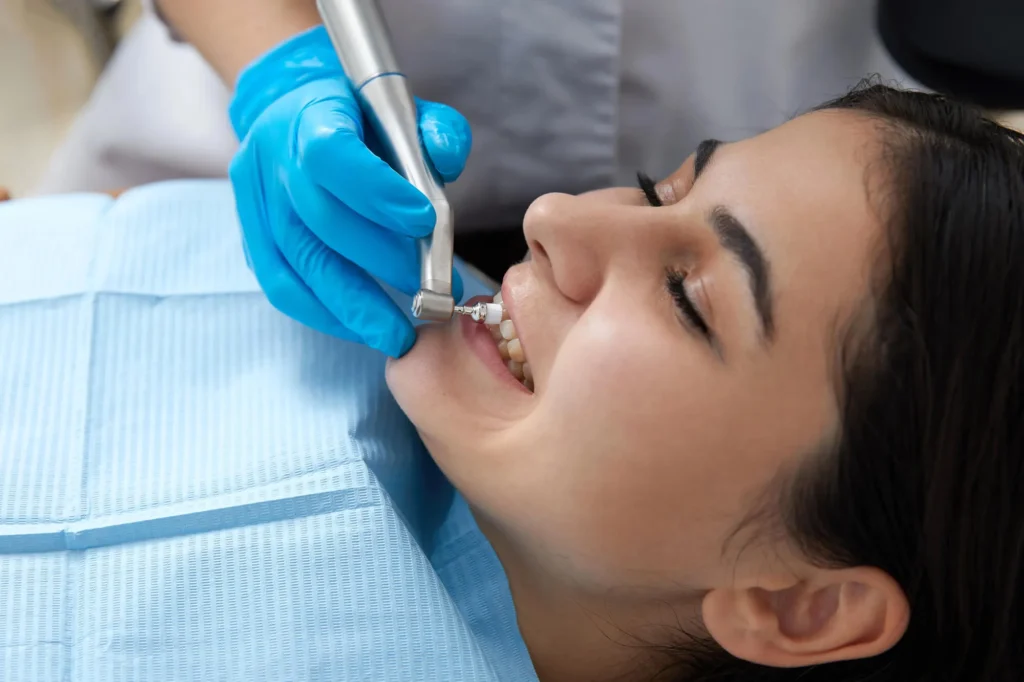
How iTero Is Upgrading Dental Care
January 23, 2020
Key Takeaways:
Avoid Sticky, Hard, and Sour Candies:
Sticky candies (like taffy and caramels) are difficult to remove from teeth and can lead to cavities and gum disease. Hard candies (such as Jolly Ranchers and Peppermints) can cause tooth fractures and increase the risk of tooth decay due to prolonged sugar exposure.
Opt for Better Candy Choices:
To minimize dental risks while still enjoying sweets, choose solid chocolates (preferably dark chocolate) and sugar-free candies or gums.
Maintain Good Dental Hygiene:
Regardless of candy consumption, practicing good dental hygiene is crucial. Brushing twice a day with fluoride toothpaste, flossing daily, and having regular dental check-ups are essential practices to prevent cavities and gum disease.
Now is a great time to carefully think about what type of candy you are consuming. After all, with Halloween right around the corner, it will seem like candy is everywhere just waiting to be eaten. Unfortunately, some candies – especially those commonly given during Halloween – can cause numerous dental problems such as cavities, broken or fractured teeth, gingivitis, sudden toothaches, and extremely sensitive teeth.
If you want to preserve your smile, it is best that you avoid the following types of candies.
Be Super Picky About Sticky Candy
Sticky candy, such as taffy, caramels, and any types of gummy candies, can increase your chances of developing cavities and oral health problems.
Your chances of experiencing oral health problems increase because the candy is sticky. The candy is often so sticky that it is extremely difficult to remove—even if you brush and floss. If the candy is not promptly removed from the teeth, it remains there and attracts bacteria that causes cavities, gum disease, and tooth decay.
Just Say No to Hard Candy
Hard candies, like Jolly Ranchers, Peppermints, Cinnamon Discs, and Butterscotch are deceiving. They don’t look like they could cause a lot of damage to your teeth, but they can.
The hard texture of the candy can cause severe damage to your teeth. If you get tired of sucking on a hard candy and decide to crunch it up by biting down on it, you could crack or chip a tooth or cause damage to previous dental work, such as fillings, dental bridges, or dental crowns.
Hard candies can also increase your chances of experiencing gum disease and tooth decay. These candies are designed to slowly dissolve in your mouth. While that means a single piece of candy lasts longer, it also means that candy is in your mouth longer. The longer the candy is in your mouth, the more contact your teeth have with sugars that attract cavity-causing bacteria.
Pass on the Sour Candies
No only do sour candies like Sour Patch Kids or sour-flavored jawbreakers have the same problems as hard candies or sticky candies, but they present another issue: acid. Sour candies are extremely acidic. That acid can quickly attack your teeth and cause damage that leads to cavities.
The Best Candy to Consume
It may seem like almost all types of candies should be avoided, but there are some candies you can still enjoy if you have a craving for sweets. Some of the best candies to consume include:
- Chocolates such as Hershey’s, Ghirardelli, or Godiva – dark chocolate is the best, but milk chocolate is also good, too. It is best to consume solid chocolate bars that don’t contain caramel or nuts.
- Sugar-free candies such as hard candies or lollipops – you will still have to be careful about biting into these types of candies and causing damage to your teeth. However, the sugar-free nature of the candy makes it less likely that you will develop a cavity.
- Sugar-free gum such as Trident, Extra, or Orbit – consuming sugar-free gum can actually help improve your oral health as it keeps your mouth clean by stimulating saliva production
Always Practice Good Dental Hygiene
Regardless of whether you eat the good candies or bad candies, it is important that you practice good dental hygiene. Brushing with a fluoride toothpaste at least twice a day and flossing daily will help remove plaque and cavity-causing bacteria from your mouth.
In addition to practicing good dental hygiene, it is important that you schedule regular visits with your dentist. Regular office visits, which occur every four to six months, allow you to get a professional cleaning that helps you keep your teeth and gums clean. These regular office visits will also help to detect dental problems that need to be treated, such as gum disease or cavities, before they cause too much damage.
Is it time to schedule an appointment for a dental exam and professional cleaning? Call Cedar Walk Dentistry to schedule an appointment. Our friendly dentists and dental staff will help you keep your teeth and gums healthy by conducting a complete dental exam and professionally cleaning your teeth.
Jolly Ranchers and Other Candies People Ask About
Are candies like Jolly Ranchers bad for your teeth? Not necessarily, but consuming them too often can put your smile in a rut.
Fruit-flavored hard candies typically contain food acids like malic or citric acid, so a single piece that takes several minutes to dissolve keeps both sugar and acid against your teeth the whole time. That’s also why teeth can feel sensitive afterward. Temporary sensitivity after candy like this is common, but if it lingers for more than a day or two, it can indicate enamel wear or an early cavity.
What about Snickers and mints? A Snickers shows how a “good” candy can go wrong: solid chocolate is one of the better choices, but layering it with sticky caramel brings back the cling-and-linger problem. Regular mints are mostly sugar and dissolve slowly, so they’re not the harmless breath fix they seem.
Is sugar-free candy always safe? It’s easier on your teeth, but two cautions apply. Sour sugar-free candies can still be acidic, and sugar alcohols like sorbitol and xylitol can cause digestive upset, including diarrhea, when eaten in large amounts. Moderation still matters, even with peppermints labeled “sugar-free.”
Protect Your Teeth After Candy
Rinse with water afterward. If the candy was sour, wait about 30 minutes before brushing, since acid temporarily softens enamel, and brushing too soon can wear it down. And if you’ve recently had a tooth pulled, skip hard candy altogether, because sucking can disturb the blood clot protecting the socket.
Dental Care in Charlotte, NC: When Candy Causes a Problem
A chipped tooth, a loose crown or filling, or sensitivity that won’t go away shouldn’t wait until your next cleaning. If any of those show up after a sweet treat, our team provides dental care in Charlotte, NC, from a quick exam to repairing the damage. Call Cedar Walk Dentistry if you notice any of these changes.
Practice Recognitions

Recent Posts
- How Long Does a Root Canal Last? Factors That Affect Longevity
- Invisalign Before Veneers or Whitening: Planning Your Smile Makeover in the Right Order
- Dental Cleaning vs. Deep Cleaning: What’s the Difference?
- Can You Whiten Sensitive Teeth? What You Should Know
- What Happens to Your Natural Teeth Under Veneers?
- Why Preventive Care Is the Foundation of Family Dentistry
- How to Decide Which Cosmetic Dental Treatment Is Right for You
- Why Seeing the Same Dentist Has Long-Term Benefits
- Root Canal Myths: Does It Hurt? What Modern Treatment Is Really Like
- What Makes Some Veneers Look More Natural Than Others